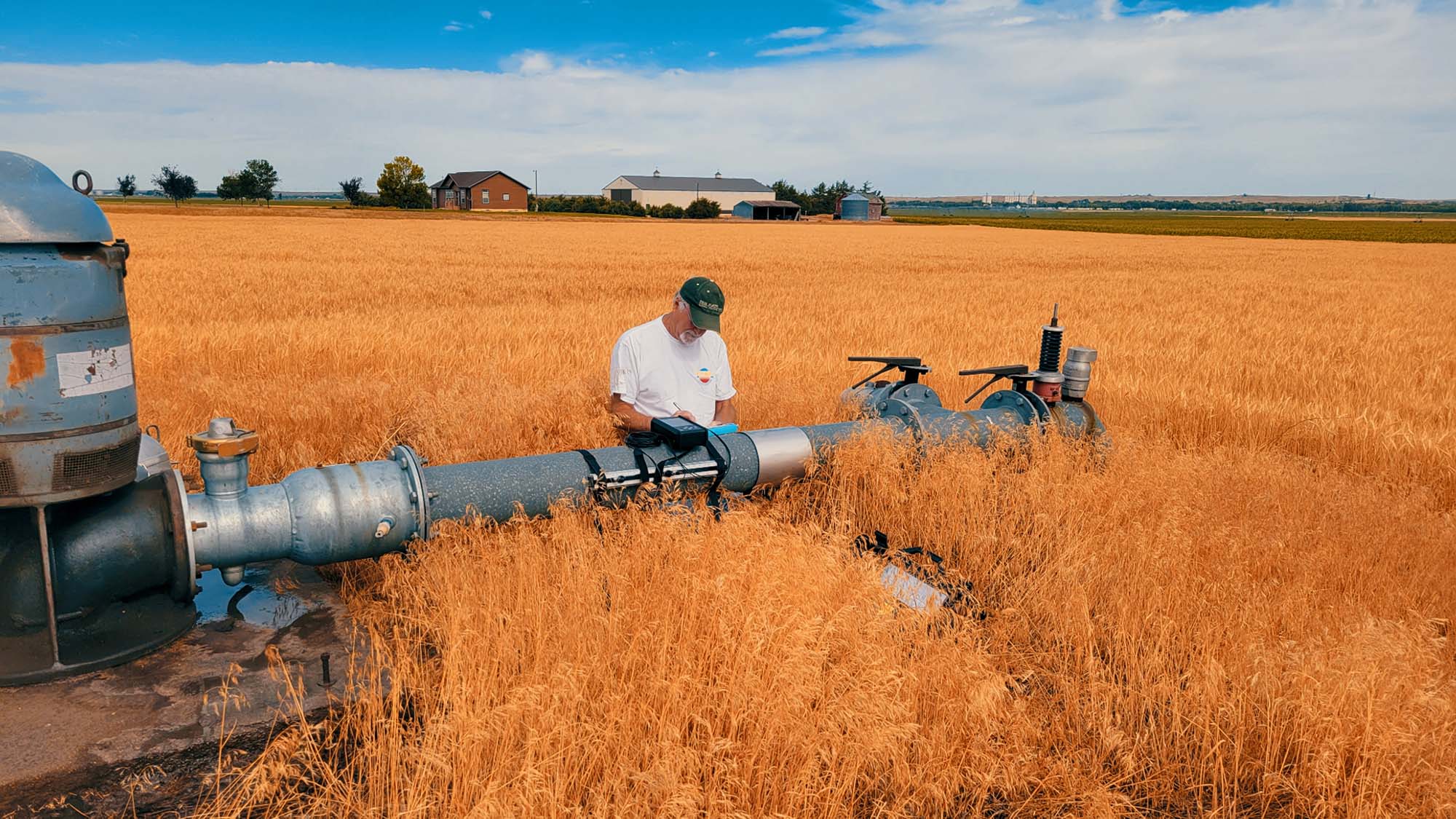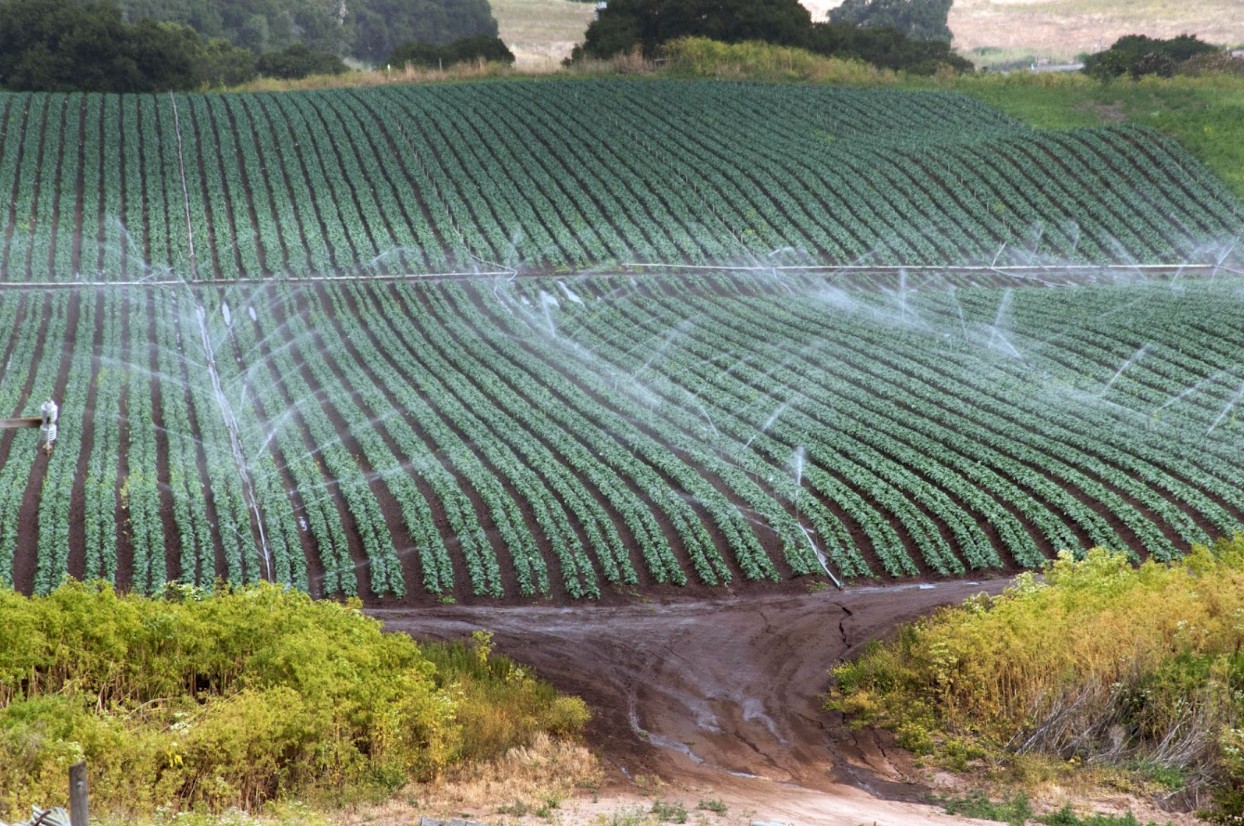
The Ogallala Aquifer – one of the world’s largest – is a major water source for the 320,000 irrigated acres of the Twin Platte Natural Resource District (TPNRD). In collaboration with the Nebraska Department of Natural Resources, the TPNRD is working on an integrated management plan to sustain the aquifer without imposing new regulations that are costly and difficult to administer. Obtaining the most accurate and complete water data from OpenET and other sources is crucial to the plan’s groundwater sustainability goals.
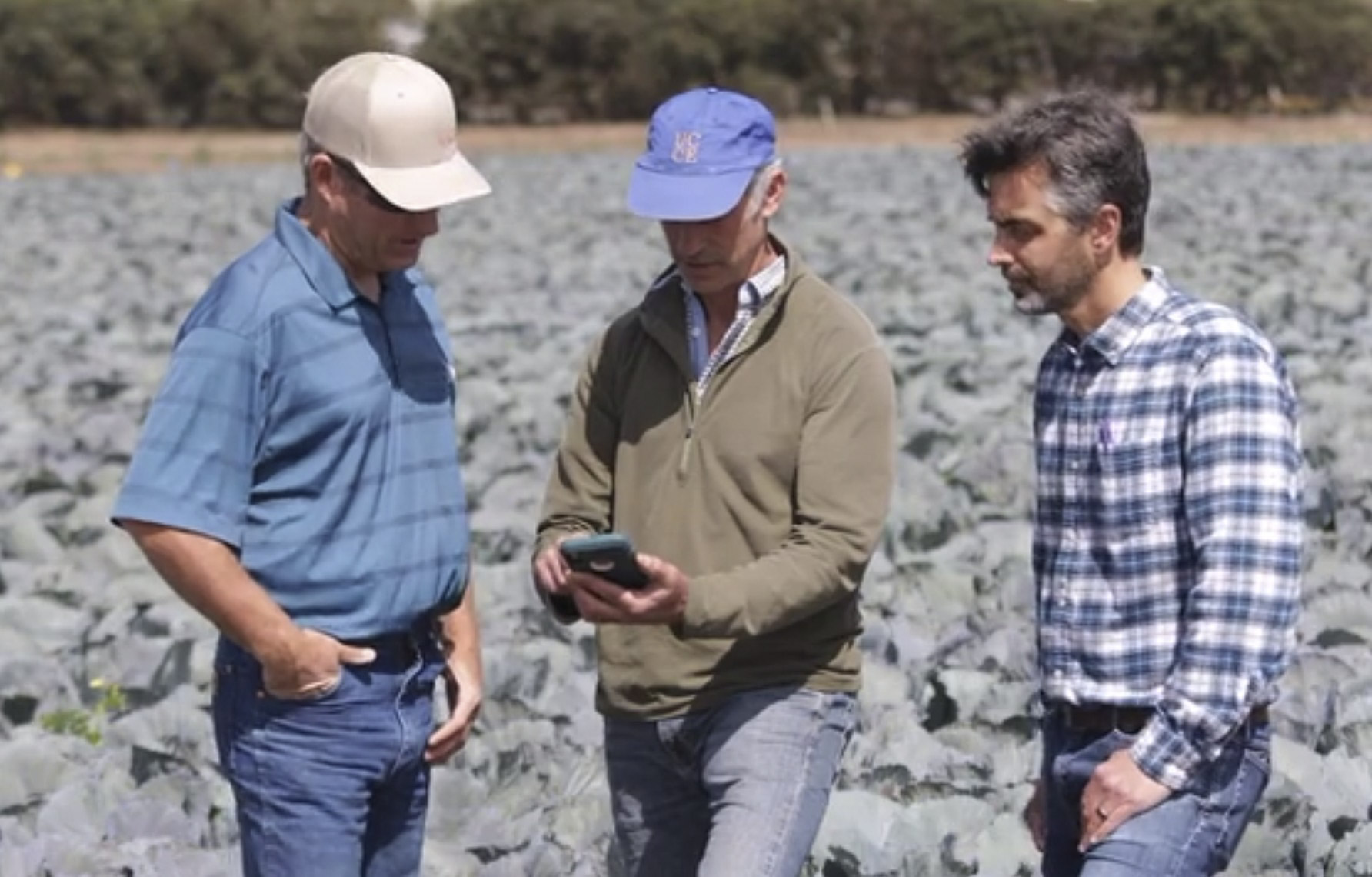
Since the beginning of 2021, design and engineering firm Olsson and consultant Environmental Science Associates (ESA) have aggregated OpenET data, groundwater pumping (electricity usage records), and precipitation data via a wireless network. These data serve as key inputs to Olsson’s Groundwater Evaluation Toolbox (GET), which simulates various management scenarios to provide predictive estimates of the effect on local groundwater supplies. This allows water managers to plan ahead – saving time, money, and water. Evapotranspiration data fills a missing piece of the water budget by telling the model how much applied water is consumptively used.
OpenET’s Application Programming Interface (API) allows GET to “talk” to the platform and retrieve ET data through an automated process. These data ultimately supplement measurements from thousands of flow monitoring devices to accurately assess water budgets at both the individual field level and throughout the 4,300-square-mile TPRND. OpenET’s role in this high-tech data program is one example of how an API can automatically share data to enable tools like GET to improve the sustainability of local water basins, agricultural economies, and communities.