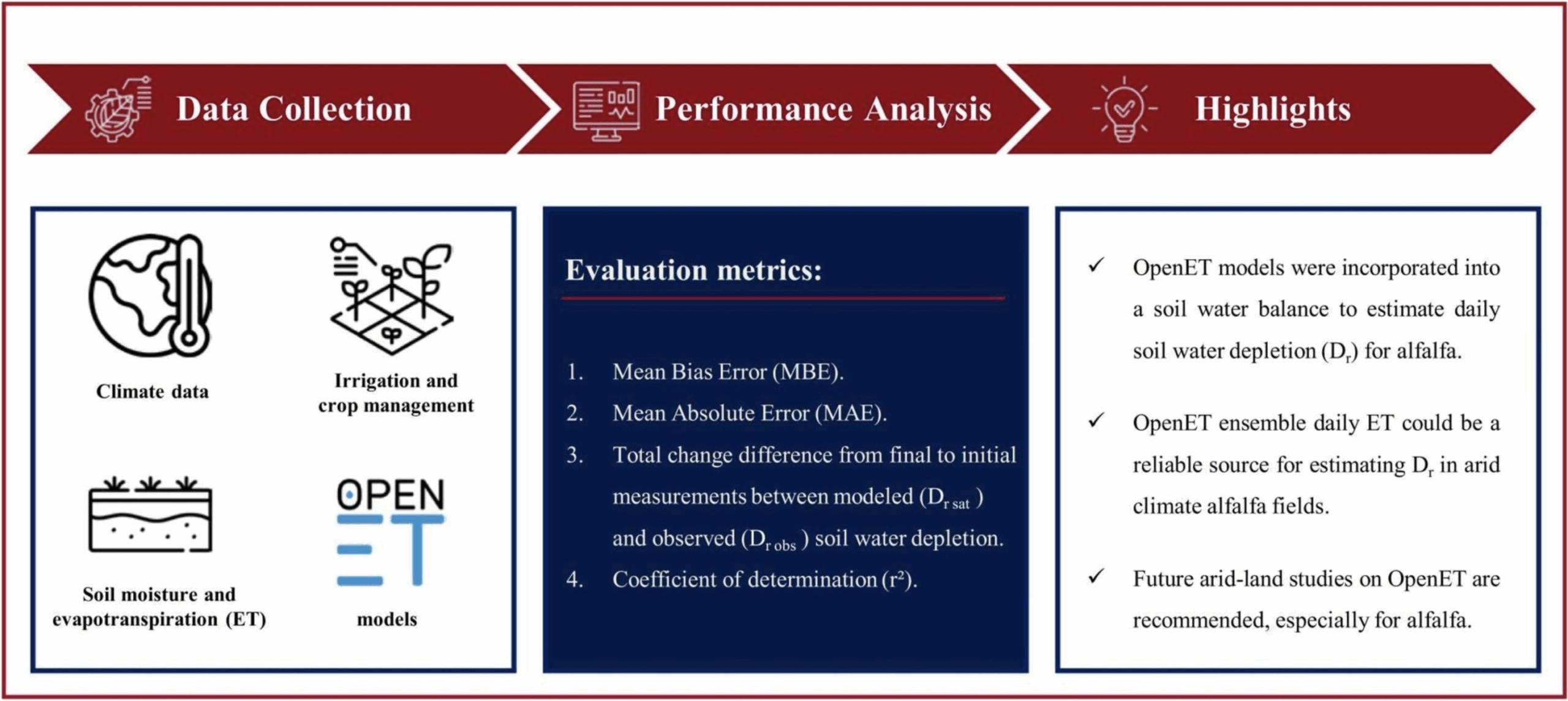
We introduce a physics-informed machine learning technique to predict near real-time (NRT) Land Surface Temperature (LST) using real-time Landsat 8 data, aiming to overcome the latency constraints of the Landsat 8 USGS LST product in the OpenET system on Google Earth Engine (GEE). This approach utilizes stratified sampling of clear images across various land cover types, incorporating the physics-based Level 2 LST product from USGS, atmospheric parameters from North American Land Data Assimilation System (NLDAS) and land cover classifications from National Land Cover Database (NLCD) for model training. The predicted LST data, further integrated into the DisALEXI model, facilitates the calculation of ET. Evaluations against USGS LST and original OpenET ET data over randomly selected regions, with a focus on agricultural areas, demonstrate good model performance. The developed method enhances NRT applications in agricultural, forest, and water resource management by delivering timely and precise water use information. Furthermore, the developed method shows potential for adaptation to other thermal observation missions for timely LST estimation.
Estimating irrigation consumptive use for the conterminous United States: coupling satellite-sourced estimates of actual evapotranspiration with a national hydrologic model
Irrigation consumptive use is crucial information for water resource management